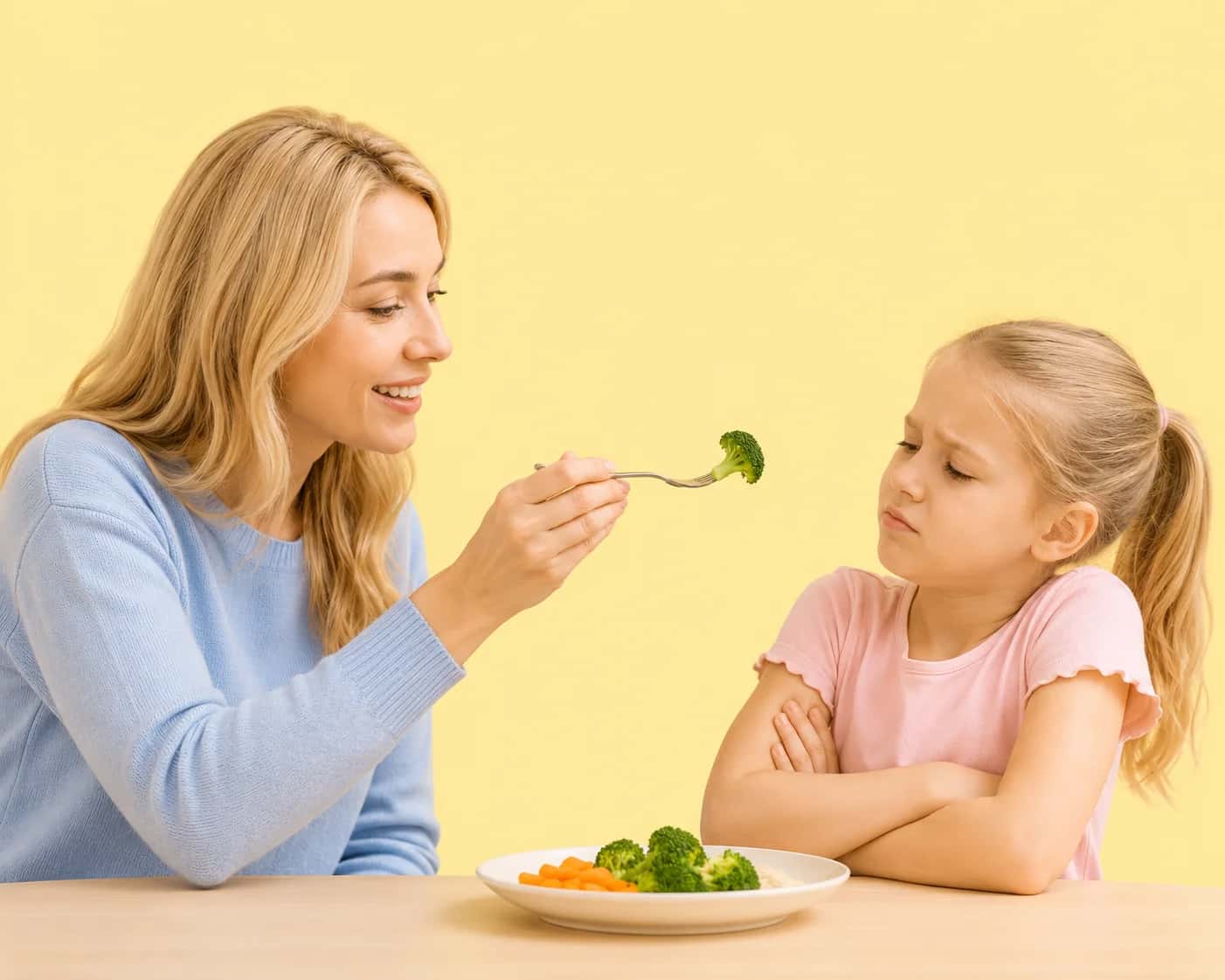
When you are exhausted, you do not need a lecture. You need ideas you can act on before the next meltdown. So here is the list, grouped by job — from the foods that almost always land to the nutrient-dense wins worth leaning on.
Reliable "Safe Foods" Most Picky Eaters Accept
Every picky eater has a short list of foods they trust, and those foods are your foundation, not your failure. Common crowd-pleasers include plain pasta and noodles, rice, bread and toast, crackers, mild cheese in sticks or slices, plain yogurt, bananas, apples, mild chicken, scrambled or hard-boiled eggs, oatmeal, pancakes, and dry cereal. Keep two or three of these reliably on hand. A safe food on the plate lowers everyone's stress and gives your child a secure starting point from which to be a little braver.
Easy Nutrient Wins (High Payoff, Low Fight)
These are the foods that quietly do a lot of nutritional work while still feeling comfortable to a cautious eater: Greek yogurt, cheese, eggs, nut or seed butters spread on toast, hummus, beans, oatmeal, sweet potato, avocado, whole or fortified milk, and cheese quesadillas. Most of them are soft, mild, and familiar in texture, which is exactly why they tend to slip past a picky eater's defenses.
Iron- and Zinc-Rich Foods That Don't Taste "Healthy"
This is the category worth paying a little extra attention to. A review of nutrient intakes in picky eaters found that picky eaters tend to take in similar overall calories to their peers, but they are more likely to fall short on two minerals in particular — iron and zinc — largely because they eat fewer meats, fish, fruits, and vegetables. The reassuring news is that you can protect both with foods kids actually like. Reach for iron-fortified breakfast cereal, ground beef or turkey worked into pasta sauce or meatballs, lentil or chickpea pasta, beans and hummus, eggs, darker-meat chicken, nut and seed butters, and fortified oatmeal. One small, well-supported trick: pairing those iron sources with a vitamin C food — strawberries, oranges, bell peppers, or a tomato-based sauce — helps the body absorb more of the iron from plant-based options. A bowl of fortified cereal with sliced strawberries is doing more than it looks.
If you want a deeper menu of options here, our roundup of iron-rich foods beyond red meat is a useful companion.
Honest Blend-Ins (Keep Offering the Real Thing, Too)
Blending vegetables into foods your child already loves is a perfectly reasonable way to add nutrition — as long as it is one tool among several, not your only plan. Stirring puréed cauliflower or zucchini into mac-and-cheese or pasta sauce, folding pumpkin or carrot into muffins and pancakes, slipping spinach into a fruit smoothie, or blending white beans into a creamy sauce all add quiet value. The one caveat worth holding onto: keep serving the recognizable vegetable alongside the blended version sometimes, so your child still gets the chance to learn what a carrot actually looks and tastes like.
A Plate Builder You Can Screenshot
When dinner planning feels like too much, this simple formula takes the pressure off. Pick one from each column, and you have a balanced-enough plate that includes something your child trusts.
The goal is not a perfect plate. It is a plate your child can succeed at, with one gentle opportunity to stretch.